Kazakhstan will hold a nationwide election on Sunday, August 23, to choose the first members of its new parliament, known as the Kurultai, following one of the most extensive constitutional changes in the Central Asian country since independence.
For readers unfamiliar with Kazakhstan’s political terminology, the Kurultai is the country’s new national legislature. Its 145 elected members will be called deputies – the term commonly used across the region for members of parliament – and will serve five-year terms.
The election follows a referendum held on March 15, when 87.15 percent of participating voters backed a new Constitution. Turnout was 73.12 percent. The Constitution came into force on July 1, replacing Kazakhstan’s former two-chamber parliament, composed of the Mazhilis and Senate, with a single elected chamber.
All 145 seats will therefore derive from the nationwide vote. The change removes the former combination of directly elected, indirectly elected and presidentially appointed representation. Supporters say the simpler structure should make it easier to identify which parties are responsible for legislation.
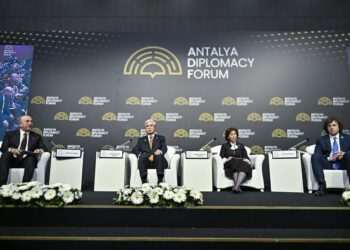
President Kassym-Jomart Tokayev, Kazakhstan’s head of state since 2019, has presented the change as part of a broader effort to modernise government and make political responsibility clearer. The August vote does not concern the presidency: voters are choosing the legislature that will pass laws, approve the state budget and oversee the government. The Kurultai will also consider presidential nominees for prime minister and vice president.
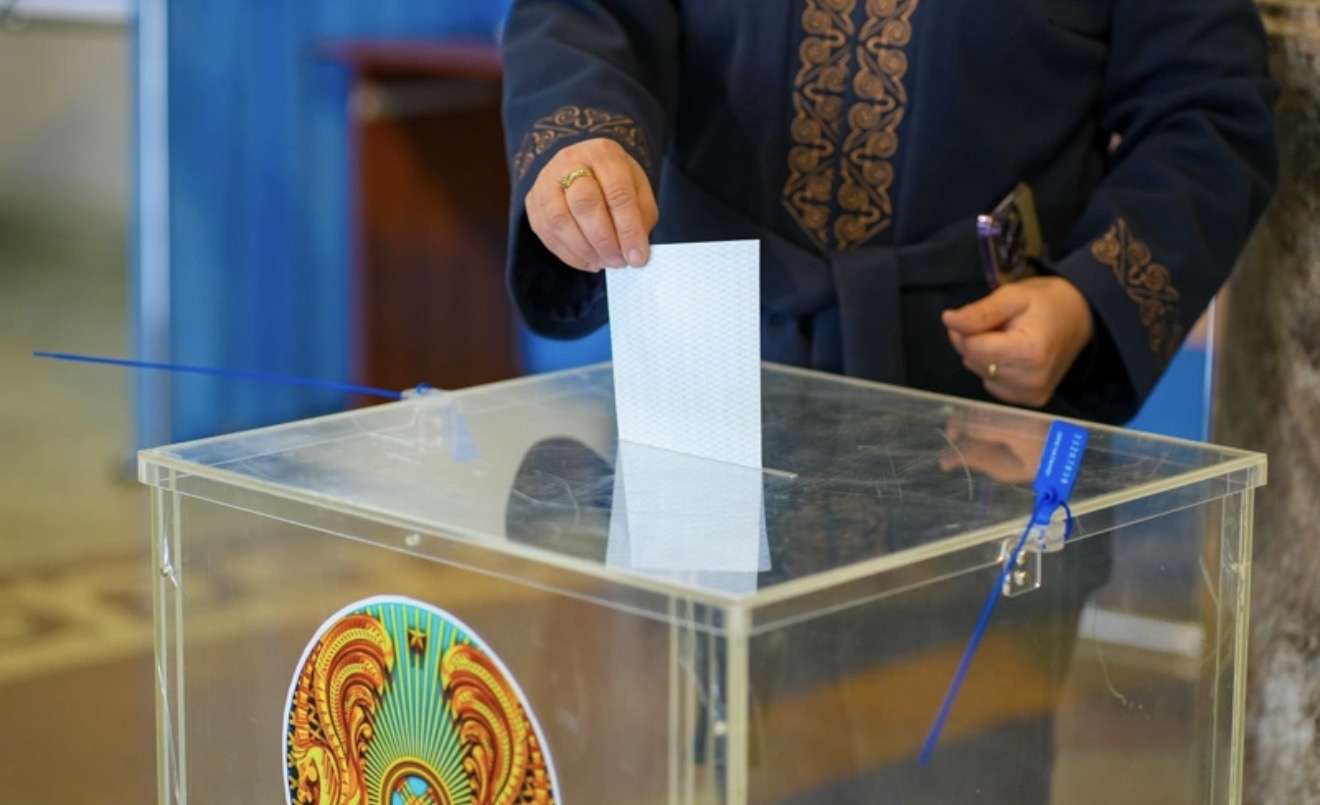
Around 12.6 million citizens are registered to vote. They will choose between seven political parties competing in a single nationwide constituency. Unlike a British general election, voters will not select a local constituency candidate. They will cast one ballot for a party list or choose an “Against all” option. Parties must receive at least five per cent of the vote to take part in the distribution of seats.
The Central Election Commission has registered 545 candidates. Of these, 172 are women, 74 are under the age of 35 and 19 are people with disabilities, although some candidates fall into more than one category. Election rules require parties to maintain a combined quota of at least 30 percent for women, young people and people with disabilities on their lists and when allocating the seats they win.
The seven parties range from established political organisations to newer movements. Adilet is contesting its first national parliamentary election after the former governing AMANAT party joined it in June. The remaining competitors are the Nationwide Social Democratic Party, the green party Baitaq, the People’s Party of Kazakhstan, the rural-focused Auyl party, the pro-business Ak Zhol Democratic Party and Respublica.
While their priorities differ, the campaign has concentrated heavily on everyday economic and social concerns. Parties have debated household incomes, inflation, healthcare, education, housing and regional development. Other prominent themes include support for small businesses, domestic manufacturing, digitalisation, artificial intelligence, environmental protection and the modernisation of agriculture.
That policy focus reflects Kazakhstan’s changing economic position. The country is the largest economy in Central Asia and a major producer of oil, uranium and other minerals, but it is also seeking to reduce its reliance on raw-material exports. The incoming Kurultai will therefore take office as the government pursues investment in transport infrastructure, energy generation, mineral processing and technology.
There is a direct British interest in these developments. UK-Kazakhstan trade reached about $1.6 billion in 2025, an increase of roughly 84 percent on the previous year, while more than 500 companies with British participation operate in Kazakhstan. The two countries are expanding cooperation in critical minerals, energy, finance, education and the Trans-Caspian transport route linking Central Asia with Europe.
Britain’s latest critical-minerals strategy identifies Kazakhstan as an important partner because it produces a wide range of materials needed by advanced manufacturing, clean-energy technology and resilient supply chains. British universities, including Coventry, Cardiff, De Montfort and Heriot-Watt, have also established a growing presence in the country.
For foreign investors and governments, the election is therefore relevant because the new legislature will shape the domestic rules governing these partnerships. Its decisions on taxation, investment, infrastructure, energy and environmental standards will affect how quickly major agreements move from announcements to operating projects.
More than 10,400 polling stations are expected to operate, supported by approximately 71,000 election commission members. Citizens living abroad will be able to vote at designated diplomatic missions. The election is also being monitored by international observers, including a full mission from the OSCE Office for Democratic Institutions and Human Rights.
Campaigning will conclude at midnight on August 21, followed by a day of electoral silence. When polls open the following morning, Kazakhstan’s voters will be establishing the first legislature of a new constitutional system – one whose performance will be watched by the country’s citizens and its growing number of international partners.