Having one of the best air purifiers in your home means that you’re protecting yourself and your family from invisible sources of air pollution, including dust, pollen, pet dander, fumes from cooking and cleaning, and even building materials in your home.
In the UK, we spend up to 90 per cent of our time indoors, exposing ourselves to all sorts of airborne nasties, from formaldehyde to dust mites. Having an air purifier running in the background can give you peace of mind that your indoor air is clean and fresh. But how much does it cost to run, and in the current cost-of-living crisis amid rising energy prices, can we really justify the expense?
I spoke to Uswitch’s energy-saving expert, Ben Gallizzi, to get the full picture of how much an air purifier costs to run and which energy-saving features to look out for. And after years of reviewing dozens of air purifiers in my home, I’ve got some smart energy-saving tips to help keep bills down while your air stays clean.
Read more: Best air purifiers to free your home from dust and allergens
How much does an air purifier cost to run?
“A typical home air purifier uses about 50W on its standard setting, which costs just over 1p an hour at the upcoming April price cap rates,” says Ben. “Running one for eight hours a day would cost just under 69p a week, or about £36 a year at the April price cap unit rates.”
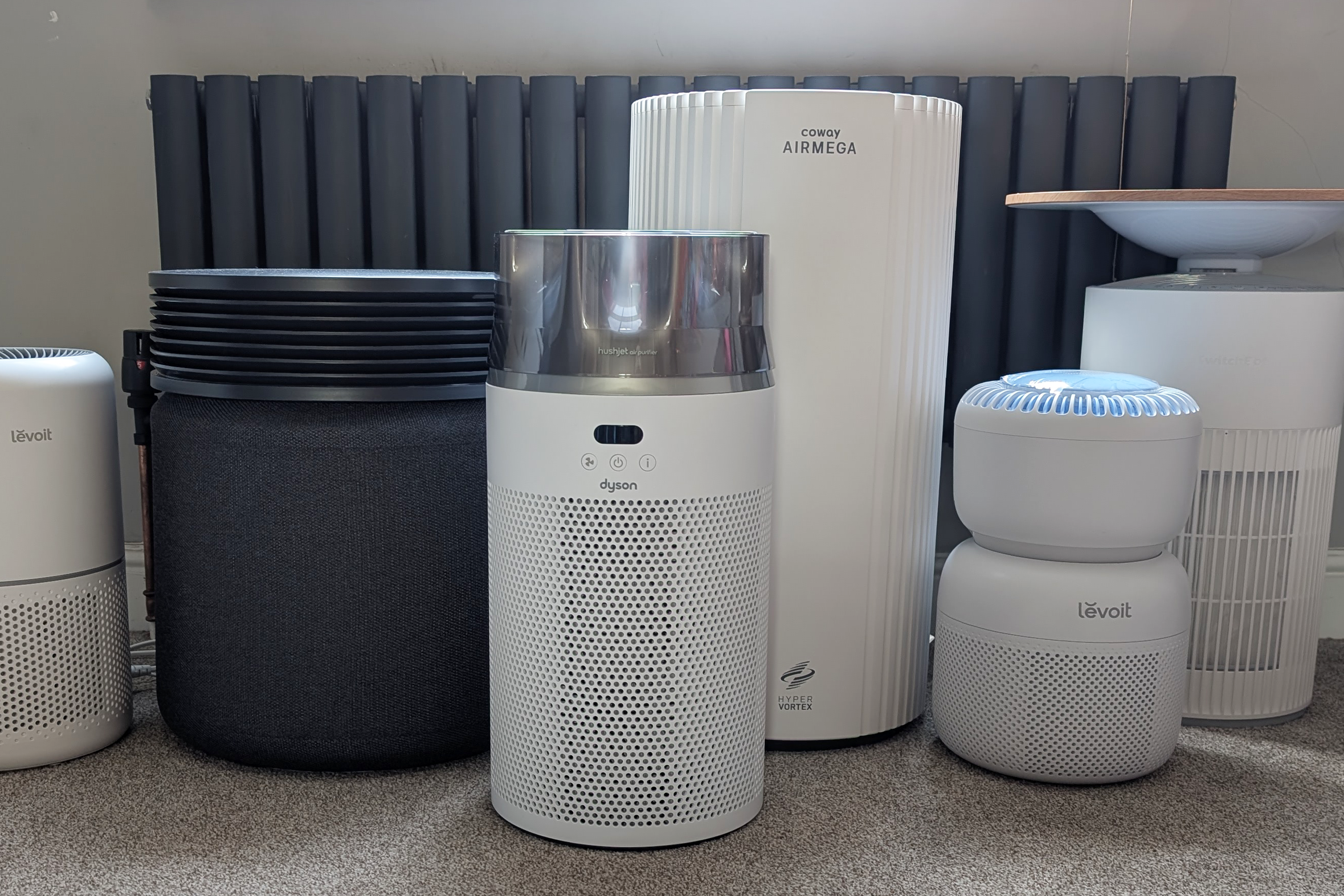
According to Which?’s annual , an air purifier sits somewhere between your air fryer and your kettle in terms of running costs. But if that makes you baulk at the idea of buying one, it’s worth knowing that many of the air purifiers I’ve recently tested for IndyBest have considerably improved their energy efficiency, with some able to purify your air using just 18 or 19W, such as the Levoit Sprout or the Dyson Hushjet. That brings the cost down to 4p per 8-hour period, or £14 a year, which is much more palatable.
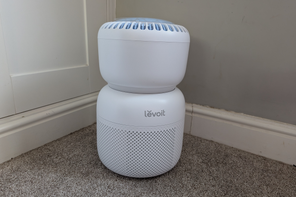
Levoit sprout air purifier
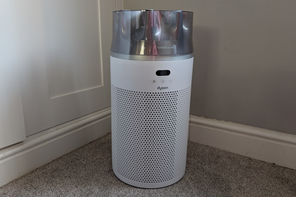
Dyson hushjet compact purifier
While many air purifier brands recommend running their devices 24/7 to maintain consistently clean air, there’s no need to unless you’re actually in the room. So, realistically, around 8-12 hours of running time a day is standard, whether that’s in a living room during the day or in a bedroom overnight.
Read more: Air purifiers vs dehumidifiers – which one your home needs, according to experts
What affects running costs the most?
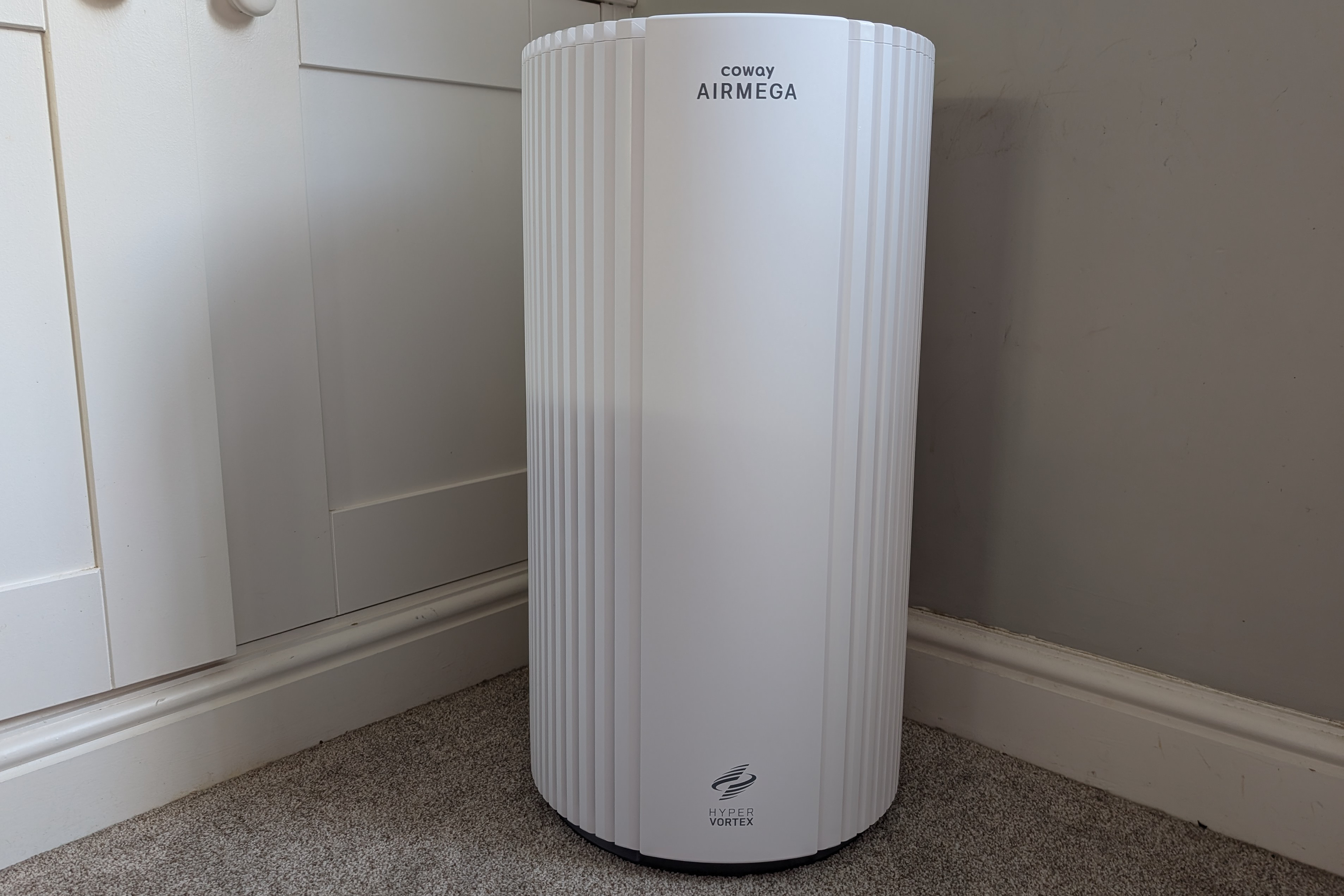
Apart from fluctuating energy prices, several factors can raise or lower the cost of running your air purifier, from its clean air delivery rate (CADR) to how clean your filter is (or how clogged it is).
The type and size of your purifier play a bigger role than you might expect. Gallizzi explains: “Larger air purifiers designed for bigger rooms, or those with a higher CADR, will generally use more power. A high-performance unit running at 100W could cost around 20p for every eight hours of use, which is two times as much as a compact model.”
The more powerful your CADR is, the more energy it will use. So rather than cracking a nut with a sledgehammer, do a little research and buy one with a CADR that suits your home. According to air quality experts, that’s using the ‘two-thirds rule’: you work out the square footage of your room and pick a model with a CADR about two-thirds of that square footage.
Which CADR (clean air delivery rate) is best for my home?
- For smaller rooms less than 150 sq ft: Less than 100 CADR
- Medium-sized spaces 150-300 sq ft: 100-200 CADR
- Larger rooms or open-plan areas 300 sq ft+: 300 CADR+
CADR aside, day-to-day habits matter just as much. “Leaving the purifier on the highest fan setting all the time, when most people don’t need to have the air cycling at maximum speed around the clock, can really push up running costs,” says Gallizzi. In most cases, leaving your purifiers on a lower or automatic setting will do the job just as effectively, without the extra energy drain.
The size of your air purifier relative to the room you’re using it in also matters. “Using a large unit in a small space can also cause you to spend more than you need to,” Gallizzi adds. Most air purifiers will specify the maximum room size they can treat, so try to match it as closely as possible with your room’s dimensions to get the best value for money.
Finally, don’t be tempted to overlook maintenance. Gallizzi recommends keeping filters clean and replacing them as often as the manufacturer recommends (every 6 or 12 months), as a clogged filter can force the motor to work harder. If you have a filter that can be dusted or vacuumed, keep on top of cleaning it, and look for an air purifier with a built-in filter reminder, so you can make sure your purifier is running at full capacity.
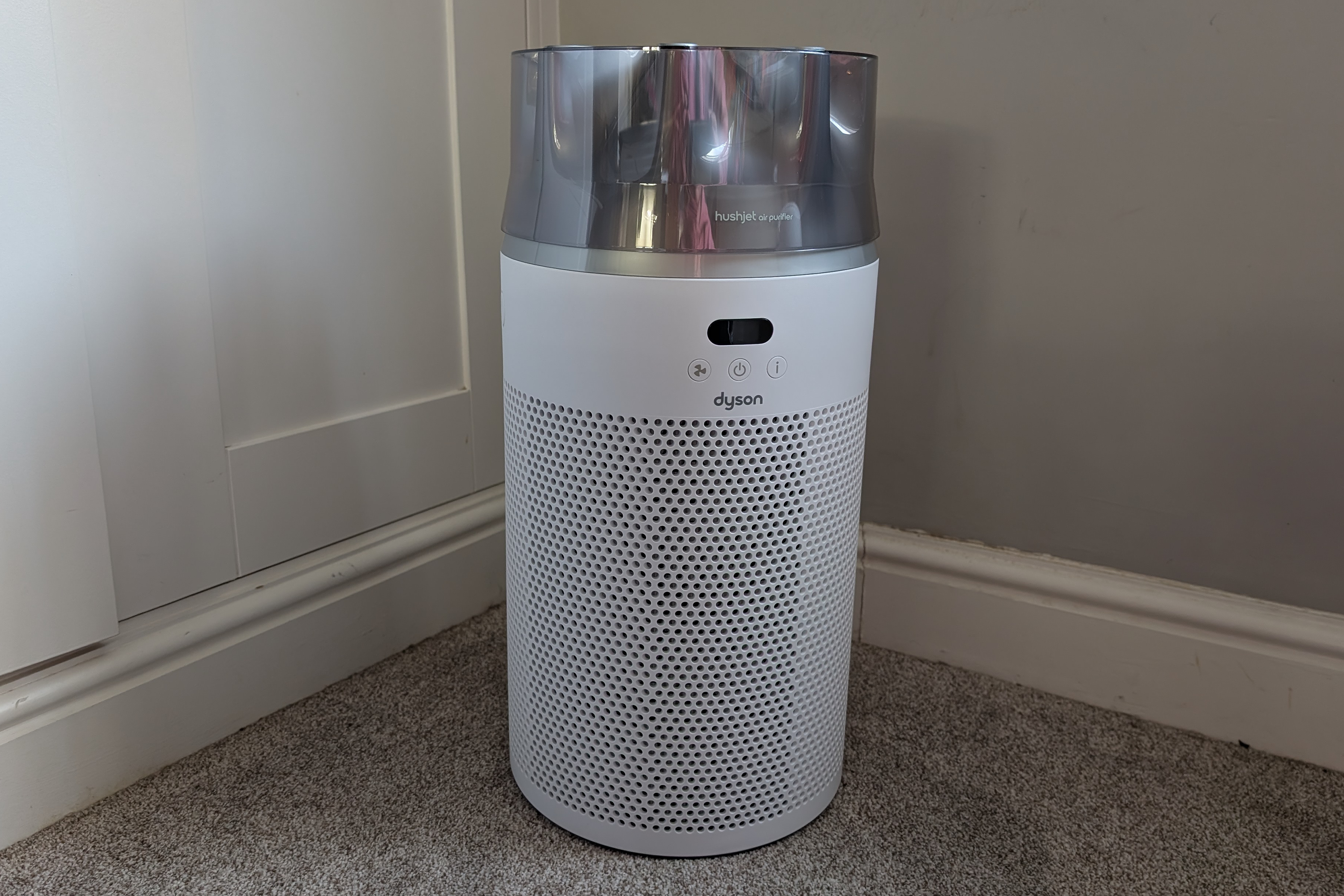
On a side note, more brands are releasing air purifiers with longer-lasting filters as technology improves, such as the Dyson HushJet, which has an impressive filter lifespan of 5 years. This can cut down on your maintenance costs considerably, so factor in the cost of replacing filters when making your final decision.
Read more: Best dehumidifiers for tackling damp at home
Energy-saving features to look out for
If you’re buying an air purifier with running costs in mind, certain features can make a noticeable difference to your bills.
Gallizzi suggests looking for models with an auto or eco mode that “monitor air quality and adjust fan speed, so they only work hard when they need to.” In other words, the appliance won’t constantly run at full power but will only ramp up when needed, for example, while cooking, dusting or burning candles (or, in our home, when the dog passes wind). This can help to keep your electricity use in check.
Sleep or night modes are also worth prioritising, particularly if you plan to run your purifier overnight. These settings reduce fan speed and energy consumption while maintaining a good baseline level of air filtration.
And finally, smart features can offer more savings. Gallizzi suggests setting a timer or a smart schedule so the unit switches off when rooms aren’t in use, so you’re not paying to clean air in an empty space.
So, is an air purifier worth the running cost?
All things considered, running an air purifier isn’t the budget-buster you might expect. Yes, it’ll nudge your electricity bill up slightly, but in most cases we’re talking somewhere between £14 and £36 a year, which is less than many of us spend on takeaway coffees in a month.
And with a few smart tweaks, using auto mode, avoiding max fan overkill and keeping filters in good nick, you can keep those costs firmly in check. For something that quietly gets on with removing dust, allergens and other nasties from your home, it feels like a pretty fair trade-off. Clean air and a barely noticeable dent in your bills? I’ll take that.
Meet the expert
- Ben Gallizzi – Energy expert at Uswitch
Improve air quality in your home year-round with the best humidifiers for dry skin and congestion, tried and tested